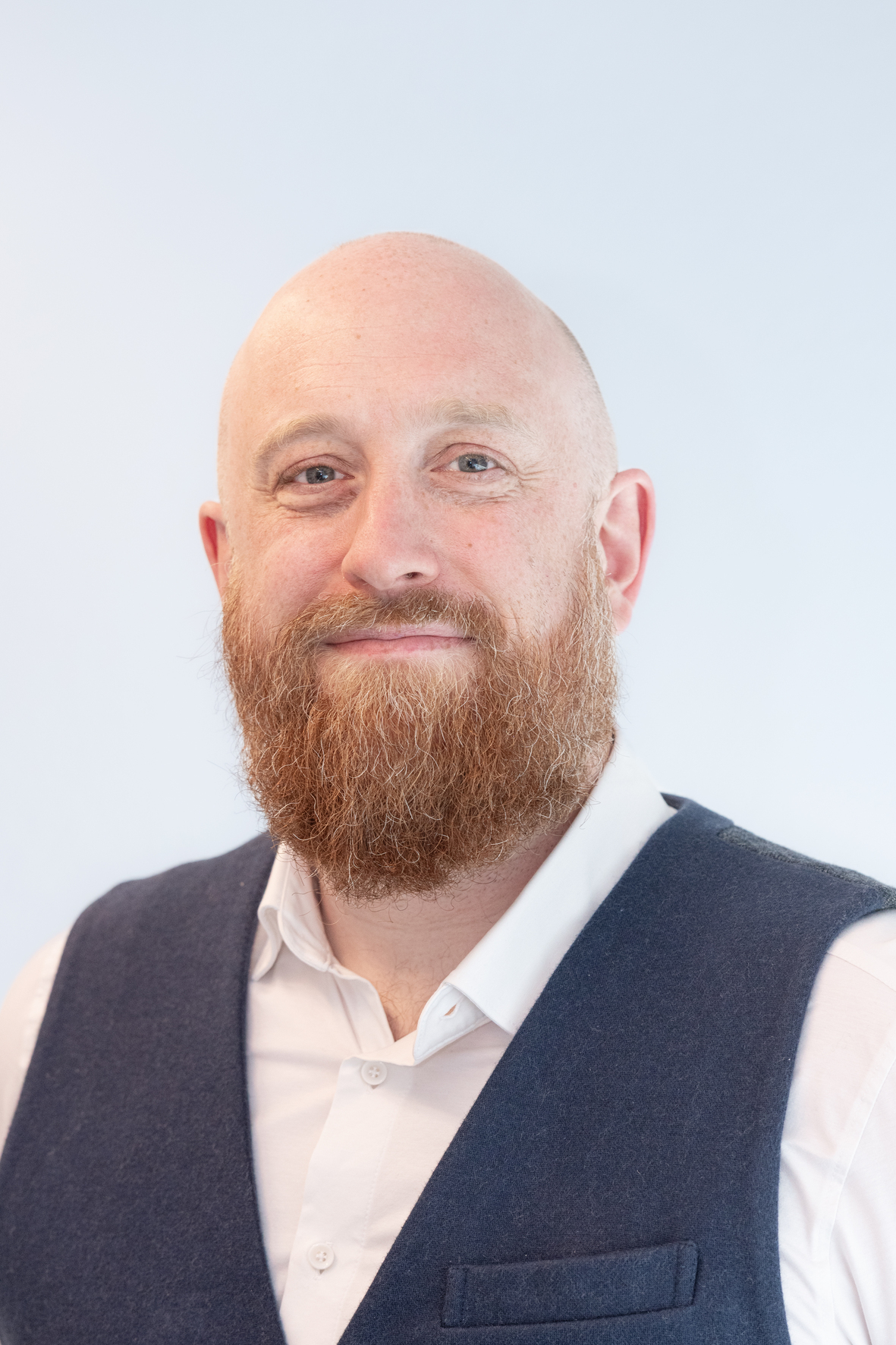
Bart G.H. Latten, MD, PhD
Co-Chair Local Organising Committee
Bart Latten, MD, PhD, is a forensic pathologist at the Netherlands Forensic Institute and serves as co-chair of the IALM 2027. He is affiliated as a researcher with the Maastricht University Medical Center, with interests in postmortem imaging and emerging diagnostic techniques. He leads several funded research projects in these areas. Dr. Latten is actively involved in advancing the quality of death investigations through his work in various professional committees. He chairs the Postmortem Investigation Expert Group of the Dutch Society of Pathology (NVVP) and the Committee of Science & Education of the Dutch Forensic Medical Society (FMG). He also serves as an examiner for the Forensic Medicine area of expertise within the Netherlands Register of Court Experts and contributes to national guideline development. In addition, he coordinated the creation of the new medical forensic knowledge agenda, thereby securing funding to support future research in the field.
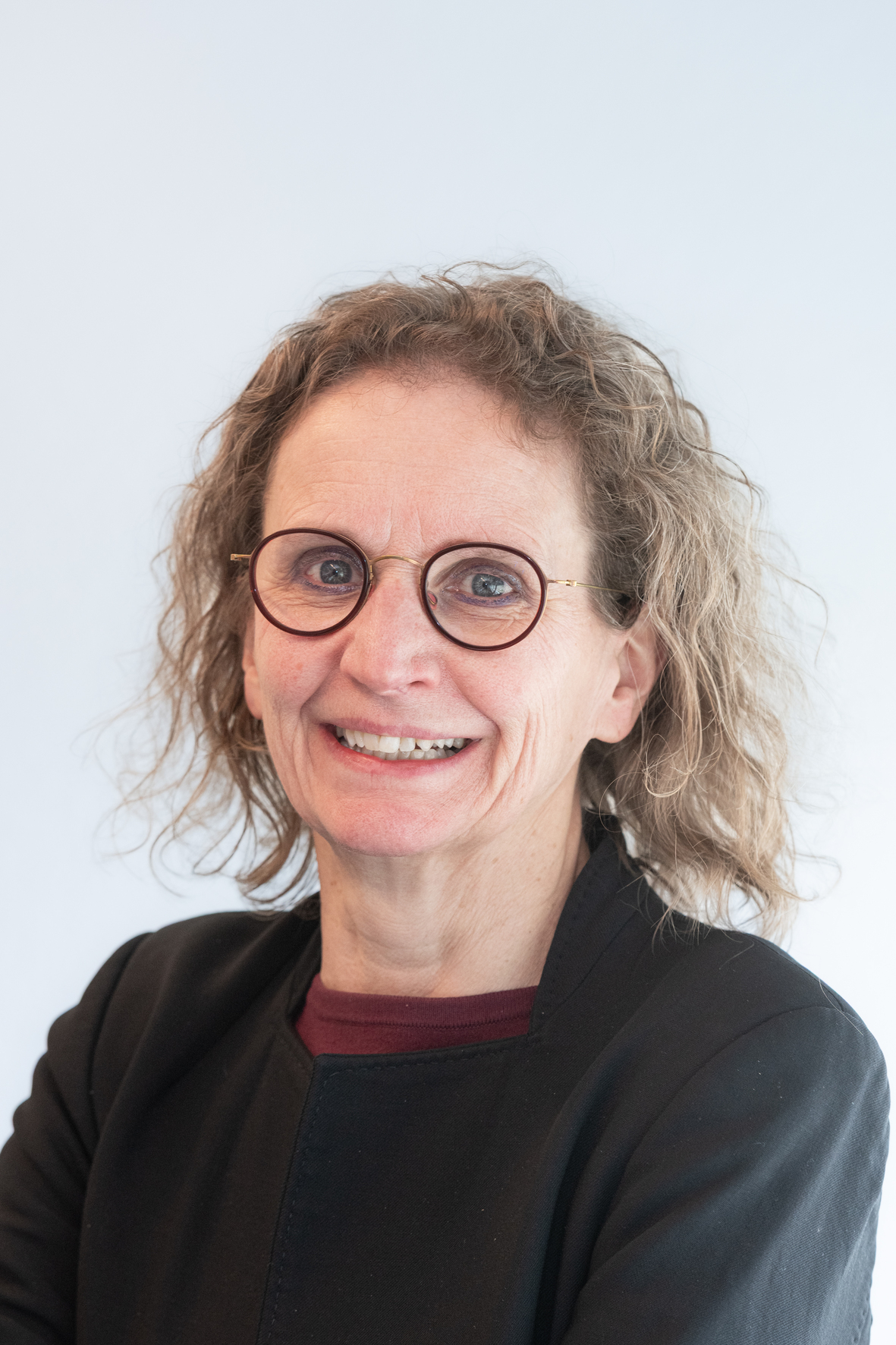
Prof. Wilma L.J.M. Duijst, MD, LLM, PhD
Co-Chair Local Organising Committee
Wilma Duijst is a lawyer and a forensic physician. She is a professor in forensic medicine and criminal law at the Maastricht University. She works at LOEF; the Dutch national forensic-medical expertise center. She was a judge for 15 years. She is a teacher at training for forensic physicians and coaches PhD students in the field of decomposition, postmortem investigation, child abuse and dying under the responsibility of the state.
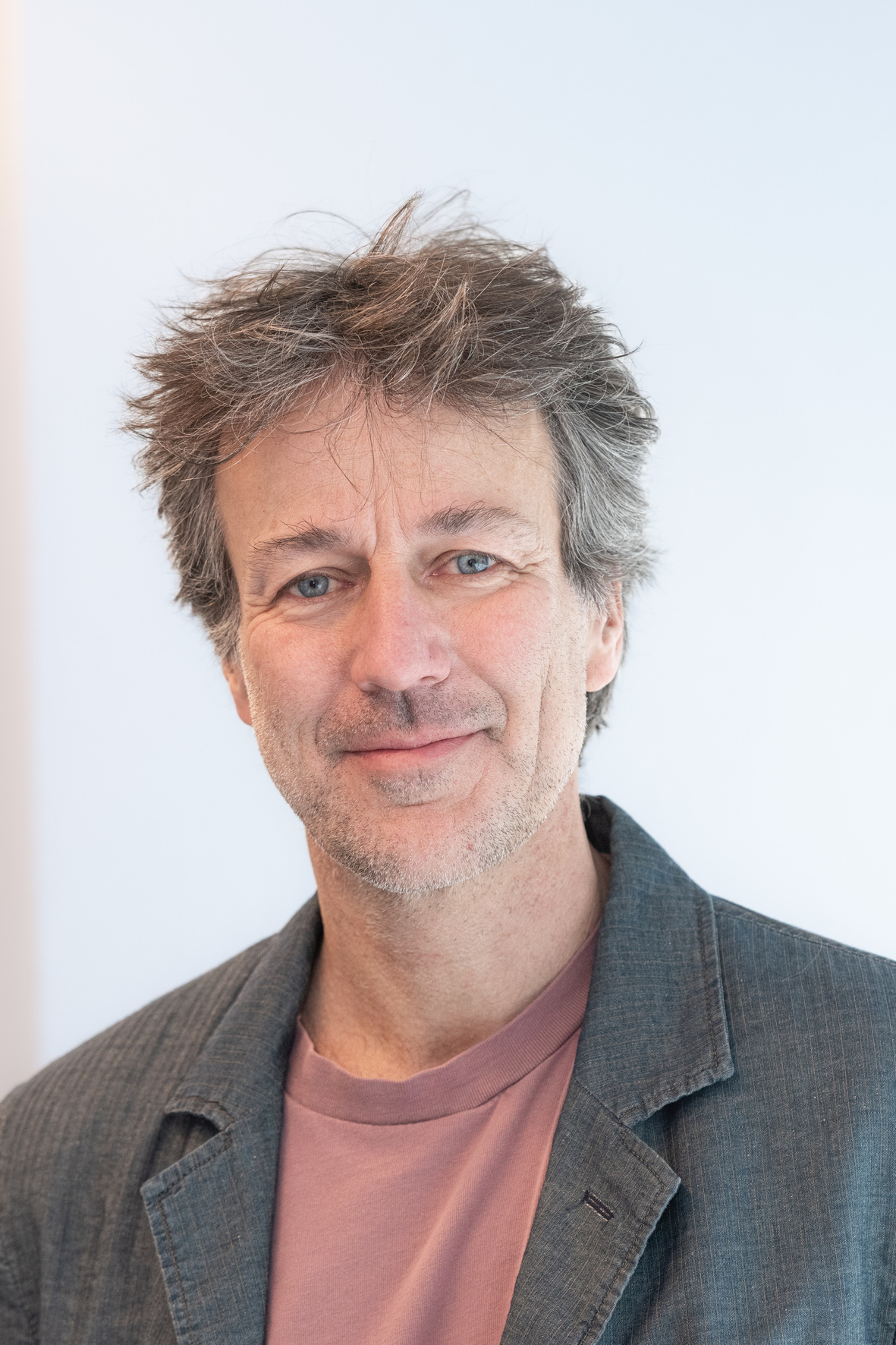
Prof. Maurice Aalders, MSc, PhD
Maurice Aalders is a professor of Forensic Biophysics at Amsterdam UMC, the academic medical center of the University of Amsterdam. Trained as physicist, his research bridges the fields of physics, chemistry, biology, medicine, and forensic science, focusing on developing and applying innovative optical and other scientific techniques in forensic and medical practices. The research group has a broad scope which includes research on the aging of bruises and bloodstains, Post-Mortem Interval determination, bloodstain patterns, biosensors and enhancing spectral processing with advanced light transport modeling. This work is conducted in partnership with the Netherlands Forensic Institute and the Dutch Police. He co-leads the forensic Co van Ledden Hulsebosch Center, the Netherlands Center for Forensic Science and Medicine, and is involved in ARISTA, Europe’s only forensic human burial site, in Amsterdam.
Prof. Charles Berger, MSc, PhD
Charles Berger is principal scientist at the Netherlands Forensic Institute (NFI), and professor of Criminalistics at Leiden University. He specializes in subjects such as evidence interpretation and inference (logic, probability). At the NFI he is active in a number of areas such as education, R&D strategy, and his own research about which he publishes internationally. He also supports the NFI experts, advises the direction, and guards the scientific quality.
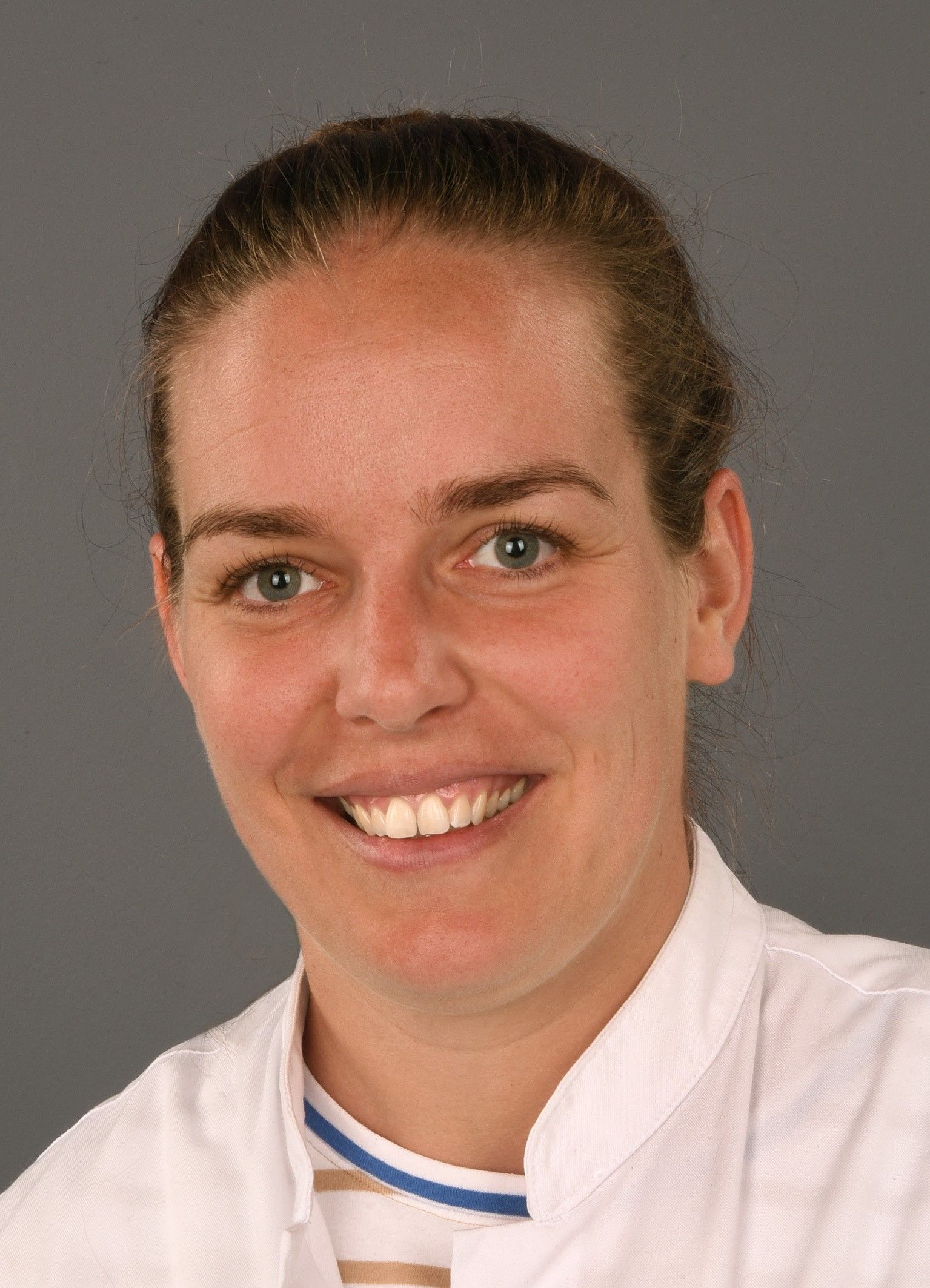
Dr. Geneviève Crombag
Geneviève Crombag, MD, PhD, is a radiologist, with a subspecialisation in forensic and postmortem radiology at the Maastricht University Medical Center+. She has completed a fellowship in forensic and postmortem radiology in 2025 and has visited the Centre Universitaire Romand de Médecine Légale in Lausanne during this fellowship to learn more about postmortem angiography. She has an affiliation with the Care And Public Health Research Institute (CAPHRI) from Maastricht University and focuses on research in the field of forensic and postmortem radiology and is involved as a co-promotor in the supervision of a PhD student. She is a member of ISFRI and the Dutch Society of Forensic and Postmortem Radiology (NVvR).
Lennaert C.P. Borra, PharmD, ERT
Forensic Toxicology is a medico-legal discipline that aids the legal investigation of suspicious deaths, poisonings, drug facilitated crimes and drug use. Analytical-chemical techniques are utilized to perform identification and quantification of xenobiotics in bodily material in order to make an educated assumption about the effects of these substances at either the time of death or the time of an alleged incident. Interpretation of postmortem drug concentrations is especially challenging as these concentrations do not necessarily reflect the drug concentrations at the time of death, due to postmortem changes in concentrations caused by postmortem redistribution, degradation and formation of substances. My scientific goal as a forensic toxicologist is to actively contribute to a better understanding of postmortem redistribution and the involved physicochemical mechanisms and toxicokinetics in relation to compound specific physicochemical properties and distinct case circumstances.
Lianne Dijkhuizen, MD
Lianne Dijkhuizen, is a forensic doctor based in the Netherlands, who as a PhD studied Sudden Death during physical restraint by the Police. Alongside her clinical practice, Lianne has also been teaching at Maastricht University Faculty of Law. She currently works at GGD IJsselland and LOEF.
Karen van den Hondel, MD. PhD
Karen van den Hondel, MD, PhD, is a forensic physician specialized in death investigation and clinical forensic medicine. She is also a certified diving physician and professional diver, combining her medical and diving expertise in her forensic work. She obtained her PhD in 2022 with research focused on suicide and corpses found in domestic settings. Her professional expertise includes post-mortem examinations, forensic medical assessment of sexual assault victims, and the evaluation of vulnerable individuals who have suffered abuse, including cases of non-fatal strangulation.
Dr. van den Hondel has been an active member of the Forensisch Medisch Genootschap (Dutch Association of Forensic Medicine) for many years, contributes to the organization of symposia, and teaches forensic medicine at universities and the Police Academy. She is currently part of the research group at the Public Health Service (GGD) of Amsterdam, where her work focuses on water-related deaths, forensic diving, suicide and gender-based violence.
Dr. van den Hondel is committed to advancing the quality and recognition of forensic medicine through education, research, and international collaboration.
Ass. Prof. Tristan Krap, MSc, PhD
Dr. Tristan Krap is a forensic anthropologist and post-doctoral researcher specializing in forensic anthropology, taphonomy, and forensic medicine. He is currently an assistant professor at Maastricht University, where he contributes to both teaching, supervision of PhD candidates, and research. He is also affiliated with the Amsterdam Research Initiative for Sub-surface Taphonomy and Anthropology (ARISTA), a facility dedicated to the study of human decomposition below the surface, and founder of the Forensic Anthropological Outdoor Research Facility in Den Ham, a non-human taphonomic research facility where surface decomposition experiments are carried out.
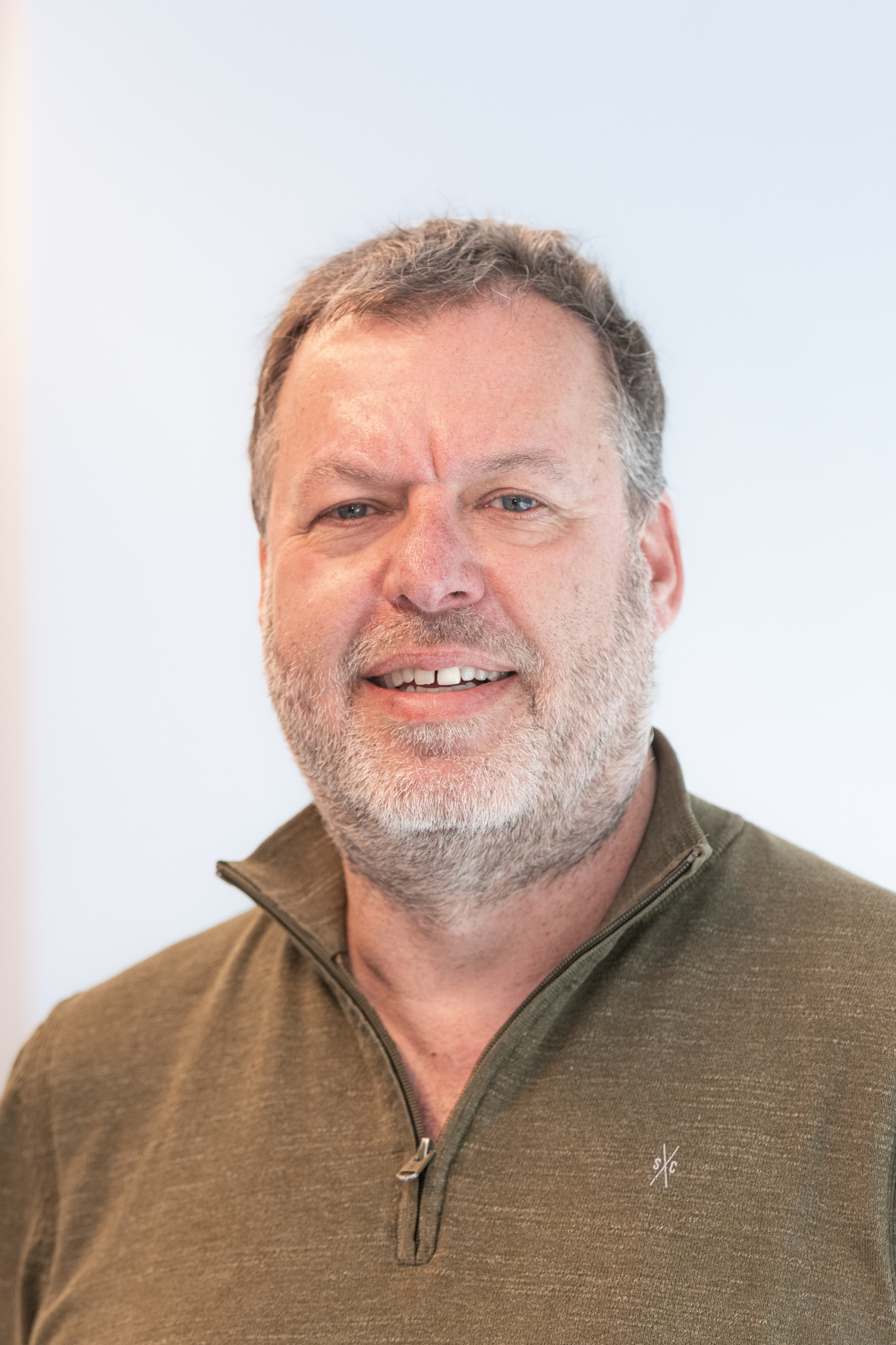
Prof. Rick R. van Rijn, MD, PhD. Hon FRCR
Rick van Rijn is a paediatric radiologist at the Emma Children’s Hospital – Amsterdam UMC. He also holds secondment at the department of Forensic Medicine, Netherlands Forensic Institute, as a professor of forensic radiology with an emphasis on forensic paediatric radiology. He’s a founding member of the Dutch Expertise Center of Child Abuse. He has published >250 peer reviewed publications, many on child abuse imaging, wrote a book on forensic aspects of paediatric fractures, edited two paediatric radiology books, and several book chapters. As a (co-)assessor has supervised 10 PhD students and currently is the assessor of 12 PhD students.
Prof. Athina Vidaki, PhD
Athina Vidaki, PhD is an internationally recognized expert in forensic genetics and associate professor in individual epigenomics at Maastricht University Medical Center in the Netherlands. She earned her PhD in forensic genetics from King’s College London and completed her postdoctoral training at Erasmus Medical Center in Rotterdam. Since 2021, she leads her own research group that bridges experimental and computational sciences to explore how our (epi)genome shapes human individuality, with an additional focus on technological innovation. For her research, Dr. Vidaki has published >40 peer-reviewed publications, received numerous international awards and prestigious Dutch Research Council grants, and has recently started coordinating a new Horizon Europe consortium that aims to tackle sexual violence. Beyond research, she is currently setting up a new forensic DNA casework lab at Maastricht UMC with the goal to offer novel (epi)genomic services for criminal cases, including as part of postmortem diagnostics.
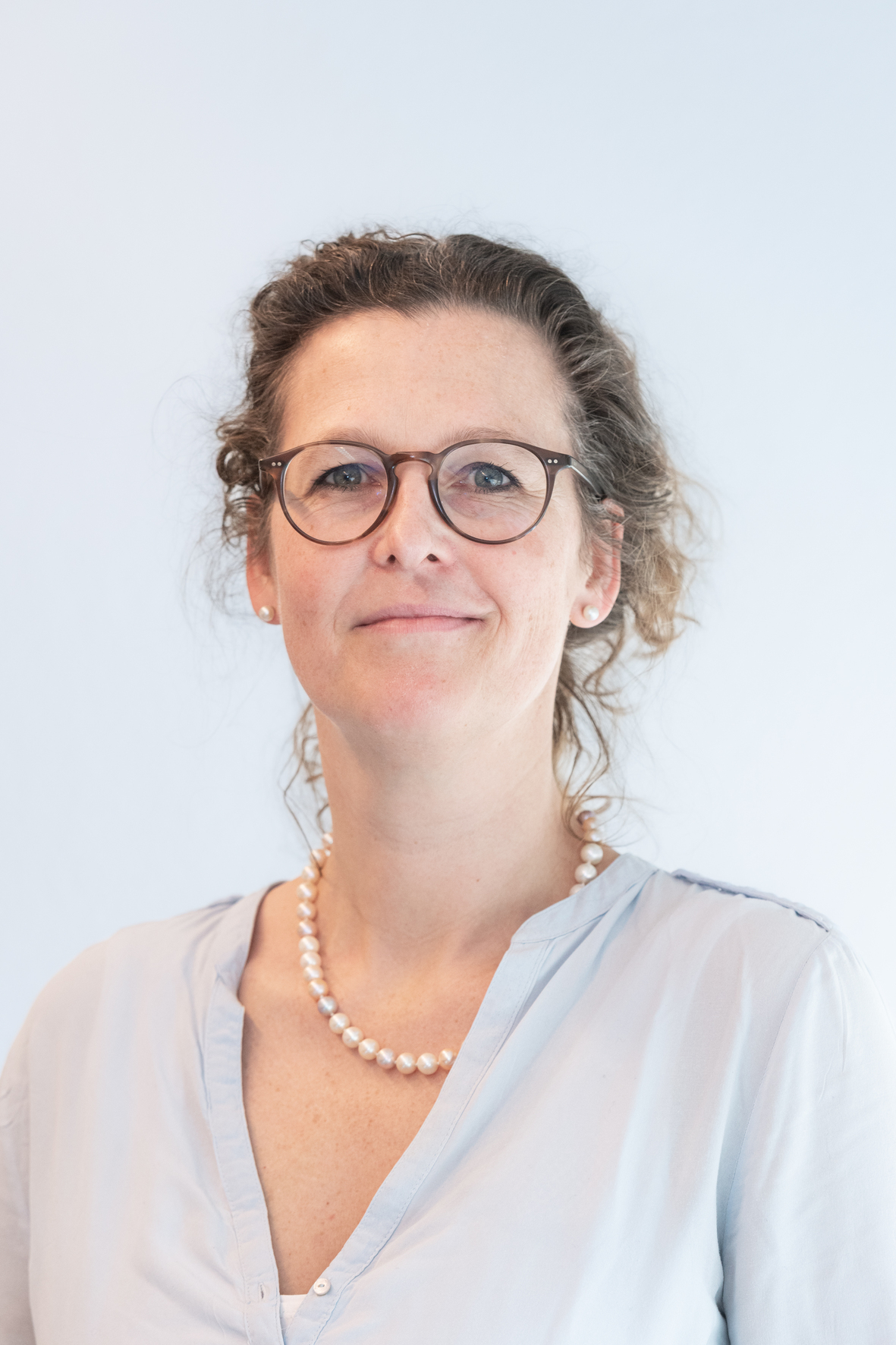
Cécile Woudenberg, MD. PhD
Cécile Woudenberg, MD, PhD, is a forensic physician at the Public Health Service (GGD) of Haaglanden and head trainer in forensic medicine at NSPOH. She obtained her PhD in 2024 with research on the system of postmortem examination in the Netherlands. She is an active member of the Dutch Forensic Medical Society (FMG) and serves on both the Education Committee and the Science & Education Committee.
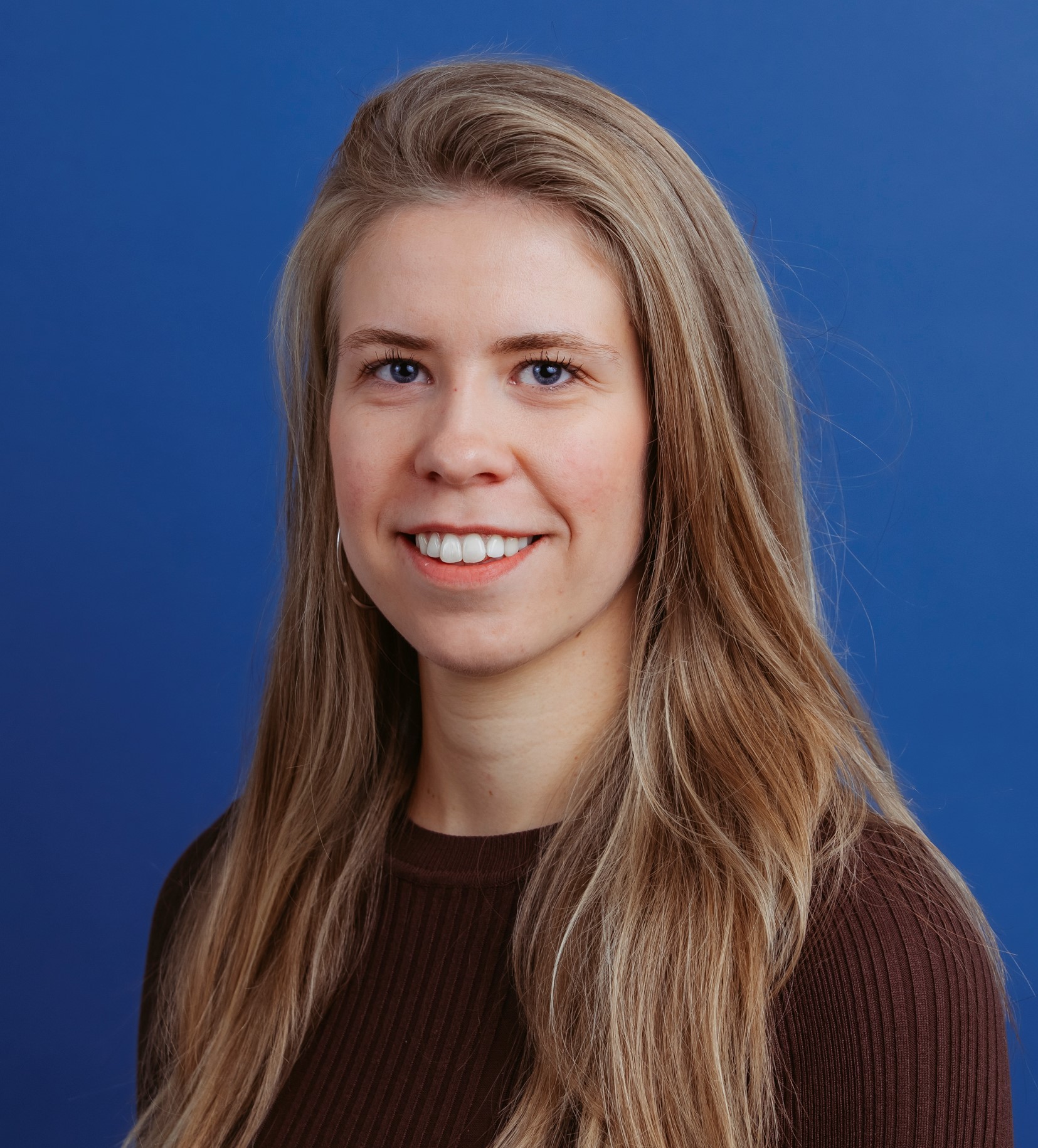
A.J. (Anika) Veenstra MSc.
Since late 2020, all district courts and courts of appeal in the Netherlands have internal forensic support in the form of “forensic advisers.” This position was created in 2012 and resulted from the efforts made to expand knowledge of the forensic sciences within the inquisitorial Dutch criminal justice system. Forensic advisers are generalists and support judges in all matters concerning forensic science, for example, ensuring the logically correct interpretation of evidence, assessing the relevant expertise of forensic experts, and helping to avoid statistical fallacies. I have been working as a forensic advisor of the Dutch judiciary for three years. Together with Mus Leijtens, also a forensic advisor at the judiciary, we represent the Expert Group on Forensic Expertise of the Dutch Judiciary in the organization of IALM 2027. Forensic medicine and related fields often play a major role in significant criminal cases, where experts are indispensable for judges.